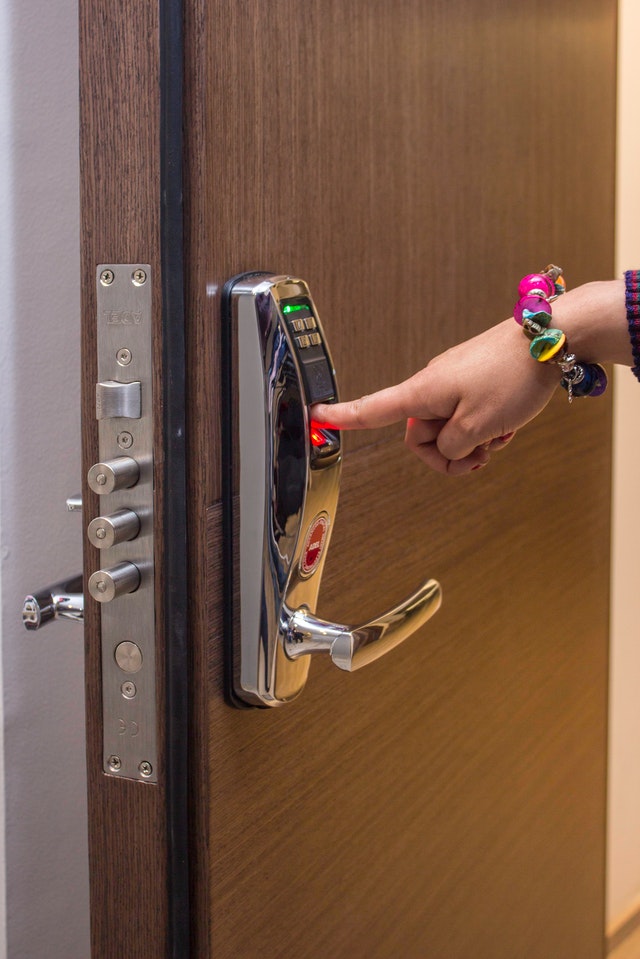
Oft stehen Bewohner von Häusern oder Wohnungen vor verschlossenen Türen. Die Türen sind häufig nur zugefallen und in manchen Fällen auch abgesperrt. Der Zugang ist damit nicht möglich und ein Schlüsseldienst wird benötigt. Auch Tresore, Briefkästen oder Garagen müssen in vielen Fällen geöffnet werden. Fast alle Türen und Schlösser können ohne Beschädigung geöffnet werden. Die geschulten Mitarbeiter haben dafür entsprechendes Werkzeug. Die Bewohner haben auch die Möglichkeit, sind bei dem Unternehmen bezüglich Einbruchschutz und Sicherheit zu informieren. Beschläge lassen sich montieren, Schlösser werden eingebaut und auch Sicherheitssysteme werden installiert. Wir haben hier zwei Topanlaufstellen für Sie: Schlüsseldienst Mannheim und Schlüsseldienst Stuttgart.
Übersicht
An wen muss ich mich wenden, wenn ich meinen Schlüssel verloren oder in der Wohnung vergessen habe?
Befindet sich ein Schlüssel innerhalb der Wohnung oder dieser wurde verloren, dann besteht meist kein Zugang mehr. Viele Bewohner müssen allerdings dringend in das Haus oder in die Wohnung. Ersatzschlüssel werden nicht immer hinterlegt oder diese liegen nicht vor. Fachleute von dem Schlüsseldienst werden dann benötigt, damit die Türe geöffnet wird. Am besten wird bei dem Auftrag über das Telefon genau geschildert, was passiert ist. Die Mitarbeiter stellen sich dann entsprechend darauf ein und auch die Preise können bereits vorab vereinbart werden. Sind die Türen nicht abgesperrt und nur zugezogen, ist die Öffnung sehr schnell und einfach möglich.
Geldbeutel nicht am Mann oder in der Wohnung; kann ich trotzdem meine Tür öffnen lassen?
Der Schlüsseldienst ist hilfreich, wenn Bewohner Hilfe bezüglich Sicherheit, Türen und Schlösser benötigen. Die Spezialisten arbeiten auch an Sonn- und Feiertagen sowie in der Nacht. Die Bezahlung kann immer erfolgen, wenn die Türe geöffnet wurde. Sollte der Geldbeutel innerhalb der Wohnung oder des Hauses liegen, so spielt dies keine wichtige Rolle. Der Schlüsseldienst verlangt hier vorab kein Geld. Wichtig ist nur, dass eine Berechtigung vorhanden ist, um die Leistungen zu erbringen. Ist auch der Personalausweis in dem Geldbeutel, muss dies ebenfalls vorgezeigt werden. Auch ein Mietvertrag, ein Reisepass oder eine Meldebescheinigung sind möglich als Zugangsberechtigung.
Gibt es regionale Unterschiede?
Wird ein Schlüsseldienst, beispielsweise für Stuttgart oder Mannheim benötigt, sollte auf einen seriösen Anbieter geachtet werden. Die Preise unterscheiden sich regional oft nur geringfügig und abhängig kann dies von der Anfahrtszeit oder dem Anfahrtsweg sein. Viele Unternehmen verlangen allerdings für die Anfahrt auch eine Pauschale. Ein Preisvergleich kann helfen, den optimalen Anbieter zu finden. Bei erfahrenen Anbietern gibt es bezüglich des modernen Werkzeuges und der Fachkenntnisse der Mitarbeiter kaum Unterschiede. Alle Unternehmen sind meist daraus ausgerichtet, dass den Bewohnern schnell und einfach geholfen wird.
Was sollte mein Schlüsseldienst kosten?
Wie in vielen Bereichen, gibt es auch bei den Schlüsseldiensten schwarze Schafe. Die Bewohner möchten sich meist vor zu hohen Kosten schützen, da schwarze Schafe die Notsituation gerne ausnutzen. Ein seriöser Schlüsseldienst teilt die Kosten allerdings bereits bei der Auftragsvergabe mit und hierbei kann auch ein Festpreis oft vereinbart werden. Die Kosten richten sich dann allerdings oft nach der jeweiligen Situation vor Ort und danach, was genau passiert ist. Den Mitarbeitern muss die Situation bestmöglich geschildert werden, damit Angebote mitgeteilt werden können. Wer möchte, kann auch einen Preisvergleich bei mehreren Anbietern durchführen. Stehen Bewohner allerdings vor verschlossenen Türen, muss es oft schnell gehen. Bereits am Telefon können seriöse Anbieter allerdings durch das freundliche und zuverlässige Auftreten überzeugen.